














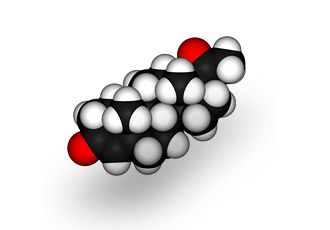
These products demonstrate some of the effects of natural hormones but they are in fact alien to the body and can behave quite differently to the hormone they are intended to supplement. These differences are believed to be responsible for the many reported side effects of conventional HRT treatments.
What Are Bioidentical Hormones?
Bioidentical hormones are hormones that are molecularly identical to those produced naturally by the human body. The term "bioidentical" simply means "biologically identical" — these hormones have exactly the same chemical structure as the oestrogen and progesterone produced by a woman's ovaries.
This molecular identity is what sets bioidentical hormones apart from synthetic alternatives. Because they are structurally identical to the body's own hormones, bioidentical hormones are recognised and metabolised through the same pathways — the body simply cannot tell the difference.
By contrast, synthetic hormones — often called progestins (synthetic progesterone) or conjugated equine oestrogens (derived from pregnant mare's urine) — have a different molecular structure. While they may mimic some effects of natural hormones, they can also trigger responses that natural hormones would not, which is widely believed to be responsible for the side effects associated with conventional HRT.
A History of Bioidentical Hormones
Bioidentical hormones are not new. They have been prescribed since the 1930s, making them one of the oldest forms of hormone therapy available. However, for much of that time they were overshadowed by synthetic alternatives.
The reason is largely commercial. Natural hormones — being identical to substances already found in nature — cannot be patented. Pharmaceutical companies therefore developed synthetic variants with slightly altered molecular structures that could be patented and marketed exclusively. These synthetic versions became the foundation of the conventional HRT industry.
A striking example of these differences is cited by Dr John Lee, one of the prime figures in the natural hormone movement, in his book 'Natural Progesterone – The Multiple Roles of a Remarkable Hormone'. Here he is referring to the difference between the natural hormone progesterone and a commercial HRT product that uses a synthetic progesterone:
'One rather clear example is the fact that progesterone is necessary for the survival and development of the embryo and throughout gestation. Some commonly prescribed progestins carry the warning that their use in early pregnancy may increase the risk of early abortion or congenital deformities of the foetus'.
Dr Lee spent decades researching and documenting the benefits of natural progesterone, and his work has been instrumental in bringing bioidentical hormones to wider medical attention. His books remain essential reading for anyone wanting to understand the science behind bioidentical hormone therapy.
The Women's Health Initiative and the Turning Point
A major turning point in the history of hormone therapy came in 2002 with the Women's Health Initiative (WHI) study. This large-scale clinical trial was investigating the long-term health effects of conventional HRT — specifically, a combination of conjugated equine oestrogens and a synthetic progestin.
The study was halted early when researchers found increased risks of certain serious health conditions among participants. The findings led millions of women to stop taking conventional HRT.
It is important to note that the WHI study used synthetic hormones — not bioidentical ones. Many experts, including Dr John Lee, have argued that the risks identified are attributable to the synthetic nature of the hormones used, not to hormone supplementation itself. This distinction has been a driving force behind the growing interest in bioidentical alternatives.
Natural Sources: Where Bioidentical Hormones Come From
Bioidentical hormones can be sourced from certain kinds of plants and, as the name implies, are identical to bodily hormones. They have been prescribed since the 1930s to treat a range of conditions relating to hormone imbalance with no reported side effects.
The most common plant sources are wild yam (Dioscorea) and soya. These plants contain natural compounds — diosgenin from yam and stigmasterol from soya — that can be converted in a laboratory into hormones that are molecularly identical to human progesterone and oestrogen. You can learn more about this process in our article on yam extract and natural progesterone.
It is worth noting that the body cannot convert raw yam extract into progesterone on its own — the laboratory conversion step is essential. This is why products marketed simply as "wild yam cream" will not provide the same benefits as a properly formulated natural progesterone cream.
Types of Bioidentical Hormones
The two primary bioidentical hormones used in hormone therapy are:
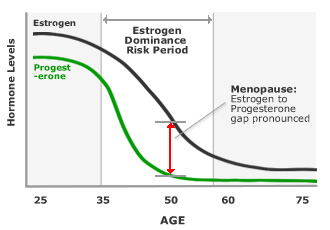
- Bioidentical progesterone: Molecularly identical to the progesterone produced by the ovaries. It plays a vital role in balancing oestrogen, supporting bone health, regulating mood and sleep, and protecting against the effects of oestrogen dominance. Progesterone levels decline significantly during perimenopause and menopause, which is why supplementation can be so beneficial.
- Bioidentical oestrogen: There are three forms of oestrogen produced by the body — oestradiol (E2), oestriol (E3) and oestrone (E1). Bioidentical oestrogen therapy typically uses oestriol or a combination of oestriol and oestradiol, as these are considered the safest and most effective forms for supplementation.
Many women benefit from progesterone alone, particularly if experiencing oestrogen dominance. Others may need both progesterone and oestrogen — this depends on individual hormone levels and symptoms, which is why it is always advisable to discuss your situation with a healthcare professional.
Why Transdermal Cream Is the Preferred Delivery Method
Today growing numbers of doctors are prescribing bioidentical hormones as patients are increasingly demanding alternatives to conventional HRT treatments.
The most effective way to supplement bioidentical hormones is through transdermal cream — a cream applied directly to the skin. This delivery method offers several important advantages:
- Bypasses the liver: When hormones are taken orally, the liver metabolises and removes a significant proportion before they can reach the tissues that need them. Transdermal delivery avoids this "first-pass" effect entirely.
- Mimics natural storage: Progesterone applied through the skin is absorbed into the fat layer beneath, which is exactly where the body naturally stores its own progesterone reserves.
- Steady absorption: Creams provide a more consistent level of hormone delivery compared to oral preparations, which can cause spikes and troughs.
- Easy to use: A measured amount of cream is simply applied to the skin once or twice daily — see our usage guide for detailed instructions.
In particular, natural progesterone has been shown to offer significant benefits for many hormonal conditions, including hot flushes, weight management during menopause, osteoporosis prevention, and gut health. As with any health decision, it is important to discuss your individual needs with a qualified healthcare professional before making changes to your hormone routine.
Wellsprings Bioidentical Hormone Products
Wellsprings Serenity is a premium natural progesterone cream that has been helping women overcome menopause symptoms and other conditions associated with hormone imbalance since 1997. The Wellsprings range includes products formulated for different hormonal needs:
- Wellsprings Serenity — The flagship natural progesterone cream, providing bioidentical progesterone in a convenient transdermal formulation.
- Wellsprings 20-1 — A combined cream with natural progesterone and bioidentical oestrogens (oestriol and oestradiol), for women who need both hormones supplemented.
- Wellsprings Lifelong Care — A premium formulation combining progesterone, oestrogen and essential minerals including magnesium, zinc and vitamin D.
- Wellsprings Bioidentical Balancing Cream — Our oestrogen-only cream for women whose symptoms indicate oestrogen deficiency.
You can compare our bioidentical hormone creams to find the right product for your needs. To understand how bioidentical hormones are viewed by the medical community, read what doctors say about natural progesterone.
On this site you can find out more about natural progesterone and read the stories of just some of the women who have found relief from symptoms of hormone imbalance by choosing Wellsprings Serenity on our customer reviews page.
References
- Lee, J.R. (1993). Natural Progesterone: The Multiple Roles of a Remarkable Hormone. BLL Publishing.
- Lee, J.R. (1996). What Your Doctor May Not Tell You About Menopause. Warner Books.
- Rushton, A. & Bond, Dr S. Natural Progesterone. Wellsprings Health.
- Writing Group for the Women's Health Initiative (2002). Risks and benefits of estrogen plus progestin in healthy postmenopausal women. JAMA, 288(3), 321–333.
Medical Disclaimer
This article is for general informational purposes only and is not intended as medical advice. It should not be used to diagnose or treat any health condition. Always consult your doctor or qualified healthcare professional before starting any new treatment or making changes to your existing care. Every woman is unique and individual results may vary.
This article is for general informational purposes only and is not intended as medical advice. It should not be used to diagnose or treat any health condition. Always consult your doctor or qualified healthcare professional before starting any new treatment or making changes to your existing care. Every woman is unique and individual results may vary.


Transdermal Creams - How they work an...
Progesterone Creams


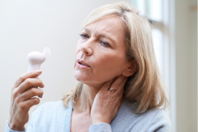
Find out what causes this common symptom, and how to get relief

Progesterone supplementation can naturally boost gut health

Hear what doctors have to say about natural progesterone and its benefits
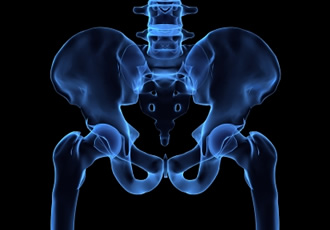
Natural progesterone can be an effective treatment for this serious condition

What happens to hormones at menopause and how can symptoms be treated?

Understand what's behind the increased incidence of oestrogen dominance in the western world
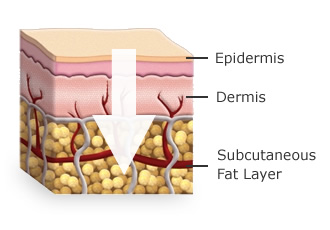
How can a cream deliver progesterone into the body?
What are bioidentical hormones and why are they relevant to your health

Learn how to get the most from your Wellsprings bioidentical hormone creams with proper application techniques, timing, and usage guidelines
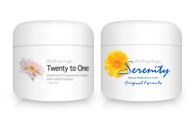
Wellsprings offers two varieties of natural progesterone cream. Read on to find out which is best for you

Oestrogen dominance can interfere with thyroid hormone activity

Despite claims to the contrary, Yam Extract does NOT contain progesterone or raise progesterone levels in the body
All information given on this site is for general interest only. Every woman is unique. Your results may vary.