














For women experiencing symptoms of oestrogen dominance, menopause, or other conditions linked to hormonal imbalance, natural progesterone offers a way to restore balance without the side effects associated with synthetic hormone treatments.
What is natural progesterone?
Progesterone is one of the two primary female sex hormones, alongside oestrogen. Together they regulate the menstrual cycle, support pregnancy, maintain bone density, influence mood, and govern many other bodily functions.
The term ‘natural progesterone’ refers specifically to progesterone that is bioidentical — meaning it has the exact same molecular structure as the progesterone produced by a woman’s ovaries. This is a crucial distinction, because it means the body recognises and processes it in exactly the same way as its own hormone.
It is important to differentiate between natural progesterone and the artificial forms of progesterone, known as progestins or progestogens, that are used in conventional hormone replacement therapy (HRT). While progestins perform in some ways like progesterone, they are chemically different molecules. This difference is widely believed to explain many of the reported side effects associated with HRT.
Where does natural progesterone come from?
Natural progesterone is most commonly sourced from certain species of plants, particularly wild yams. A substance called diosgenin is extracted from the plant, from which progesterone can then be derived through a careful laboratory process.
The resulting hormone is molecularly identical to the progesterone produced by the human body — there is no chemical difference between the two. This is what makes it ‘bioidentical’.
It is worth noting that the body cannot convert diosgenin into progesterone on its own. Wild yam creams or supplements that have not undergone the laboratory conversion process do not provide bioidentical progesterone, despite marketing claims to the contrary. For more on this topic, see our article on yam extract and natural progesterone.
Why is progesterone important during menopause?
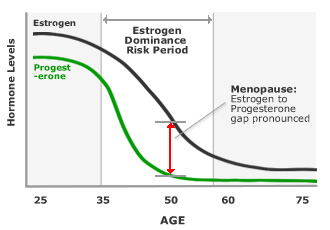
During menopause and perimenopause, progesterone production declines significantly — and it falls much faster than oestrogen. This creates an imbalance known as oestrogen dominance, where the effects of oestrogen are no longer kept in check by adequate progesterone.
This imbalance is responsible for many of the symptoms women experience during the menopausal transition:
- Hot flushes and night sweats
- Weight gain, particularly around the abdomen
- Mood swings, irritability, and anxiety
- Insomnia and disrupted sleep
- Brain fog and difficulty concentrating
- Breast tenderness
- Heavy or irregular periods (in perimenopause)
- Low libido
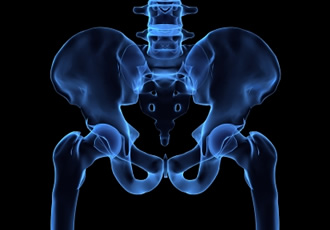
Progesterone also plays a vital role in bone health. Research by Dr John Lee showed that progesterone stimulates osteoblasts — the cells responsible for building new bone. This means progesterone deficiency contributes not only to menopausal symptoms but also to osteoporosis.
Natural progesterone vs synthetic HRT
Since the 1960s, when progestin-based HRT treatments were launched, the vast resources of the major pharmaceutical companies have enabled them to establish their products as the standard prescription for hormone imbalance.
General practitioners, the most frequent healthcare adviser for women with menopause symptoms, are by their nature not experts in every field and have historically been guided towards these synthetic products. Meanwhile the original, natural progesterone — the simple hormone the body actually needs — has been almost forgotten in the clamour for market share and profits.
The key differences between natural progesterone and synthetic progestins:
- Molecular structure: Natural progesterone is identical to the body’s own hormone. Progestins are chemically different, which is why they are patentable.
- Side effects: Natural progesterone has no reported negative side effects after decades of clinical use. Synthetic progestins are associated with a range of side effects including bloating, headaches, mood changes, and breast tenderness.
- How the body processes them: Because natural progesterone is bioidentical, the body metabolises it through normal hormonal pathways. Synthetic progestins are processed differently and can produce metabolites that do not occur naturally.
- Long-term safety: Natural progesterone has been prescribed since the 1930s with an excellent safety record. Concerns about the long-term safety of synthetic HRT have been raised by several large-scale studies.
Today there is a renewed interest in natural progesterone due largely to reports on the health risks of artificial hormones. An increasing number of healthcare professionals are now recommending bioidentical, natural progesterone, and thousands of women are turning to it as a healthy yet effective alternative to HRT.
How natural progesterone is used
Natural progesterone has been prescribed since the 1930s to treat symptoms of progesterone deficiency. However, the method of delivery makes a significant difference to its effectiveness.
When taken orally in tablet form, natural progesterone performs poorly because it is metabolised and removed almost entirely by the liver in what is known as the ‘first-pass effect’. Very little reaches the bloodstream in usable form.
Fortunately, it was identified in the early 1980s that when applied as a transdermal cream, progesterone is readily absorbed into the fat cells that sit below the skin — where the body naturally stores its progesterone reserves. This bypasses the liver entirely, allowing much more of the hormone to reach the bloodstream.
Since this was discovered, transdermal cream has become the most common and effective method of natural progesterone supplementation. For detailed guidance on application, see our guide to using Wellsprings creams.
The evidence for natural progesterone
Without the financial might and lobbying power of the major pharmaceutical companies, there have been relatively few formal clinical trials of natural progesterone. However, in over half a century of use there is a wealth of evidence from doctors who have prescribed it and many thousands of women who have used it.
Dr John Lee, who spent over 20 years prescribing and studying natural progesterone in his practice in California, documented extensive evidence of its effectiveness for menopause symptoms, osteoporosis, and other conditions related to hormone imbalance. His research showed a significant increase in bone mineral density amongst post-menopausal women using transdermal progesterone cream over a three-year period.
Dame Dr Shirley Bond and Anna Rushton, co-authors of ‘Natural Progesterone’, have likewise documented decades of clinical experience and the experiences of thousands of women who have benefited from bioidentical progesterone supplementation.
Throughout this time, no negative side effects have been reported, and vast numbers of women have reported symptoms relieved and quality of life restored.
Which Wellsprings cream is right for you?
Wellsprings has been formulating natural progesterone creams since 1997. Our range is designed to address different stages and severity of hormonal imbalance:
- Wellsprings Serenity — Our flagship natural progesterone cream. Recommended as a first step for women experiencing symptoms of oestrogen dominance, menopause, or hormonal imbalance.
- Wellsprings 20-1 — Contains progesterone with a small amount of natural oestrogen. Suitable for women who need some oestrogen supplementation alongside progesterone.
- Wellsprings Balancing Cream — A dedicated oestrogen cream for women who are oestrogen-deficient rather than oestrogen-dominant.
- Wellsprings Lifelong Care — Our premium cream combining progesterone, oestrogen, and essential nutrients for ongoing, long-term hormone support.
For a side-by-side comparison, see our cream comparison guide.
At Wellsprings-Health.com you can read the stories of just some of the women who have found relief, and in our Hormone Learning section you can find out more about natural progesterone, its properties, and benefits.
References
- Rushton, A. & Bond, Dr S. Natural Progesterone. Wellsprings Health.
- Lee, J.R. (1993). Natural Progesterone: The Multiple Roles of a Remarkable Hormone. BLL Publishing.
- Lee, J.R. (1996). What Your Doctor May Not Tell You About Menopause. Warner Books.
Medical Disclaimer
This article is for general informational purposes only and is not intended as medical advice. It should not be used to diagnose or treat any health condition. Always consult your doctor or qualified healthcare professional before starting any new treatment or making changes to your existing care. Every woman is unique and individual results may vary.
This article is for general informational purposes only and is not intended as medical advice. It should not be used to diagnose or treat any health condition. Always consult your doctor or qualified healthcare professional before starting any new treatment or making changes to your existing care. Every woman is unique and individual results may vary.


Doctors and Natural Progesterone
Osteoporosis and Natural Progesterone


Find out what causes this common symptom, and how to get relief

Progesterone supplementation can naturally boost gut health

Hear what doctors have to say about natural progesterone and its benefits
Natural progesterone can be an effective treatment for this serious condition

What happens to hormones at menopause and how can symptoms be treated?

Understand what's behind the increased incidence of oestrogen dominance in the western world
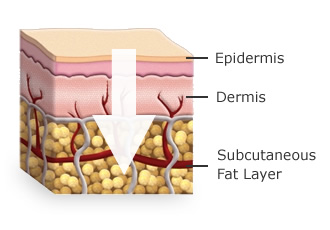
How can a cream deliver progesterone into the body?
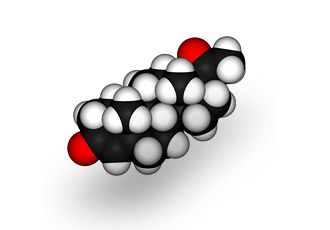
What are bioidentical hormones and why are they relevant to your health
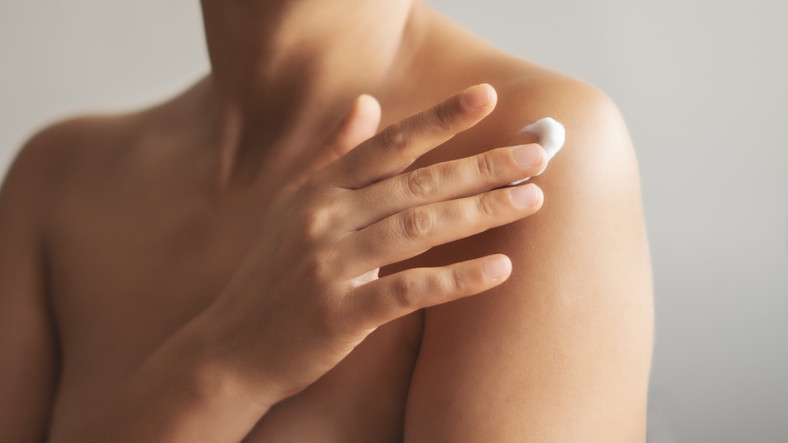
Learn how to get the most from your Wellsprings bioidentical hormone creams with proper application techniques, timing, and usage guidelines
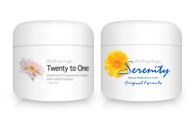
Wellsprings offers two varieties of natural progesterone cream. Read on to find out which is best for you

Oestrogen dominance can interfere with thyroid hormone activity

Despite claims to the contrary, Yam Extract does NOT contain progesterone or raise progesterone levels in the body
All information given on this site is for general interest only. Every woman is unique. Your results may vary.